Is the Young Generation Really Weak?
When those belonging to Generation Y and earlier—those born in 1994 or before—have achieved a certain standing or success in society and career, they often view the younger generation (Generation Z and onwards) as having poor resilience, complaining frequently, and easily falling into depression.
Is the younger generation truly a fragile group that only knows how to complain?
Below are my thoughts on this question!
1, Stress perception is the same across generations
Imagine an illustrative example like this:
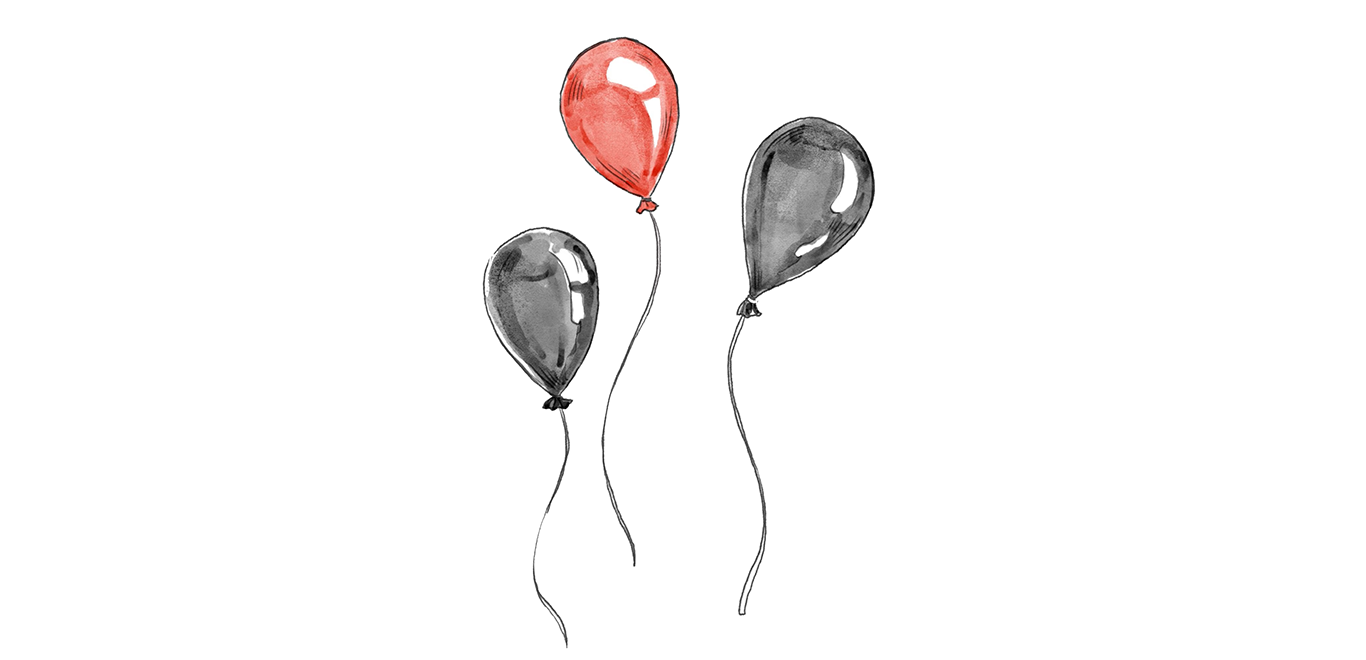
Each individual's capacity to handle problems is a balloon .
The problems each individual encounters in life are the amount of air pumped into that balloon.
For young people, they do not yet possess much knowledge and experience. Therefore, their ability to handle problems is still limited—meaning their balloon cannot hold very much air yet.
For seasoned adults, they have more knowledge and experience. Therefore, their ability to solve problems is better—meaning their balloon can hold more air than the balloon of the youth.
Consequently, people of Generation Y and earlier tend to withstand more pressure than those of Generation Z and later. Simply because they have had more time to experience life's challenges, thereby expanding their endurance capacity.
However, there is an undeniable truth we must all acknowledge: Regardless of whether a balloon is large or small, when overinflated with too much air, it will inevitably burst .
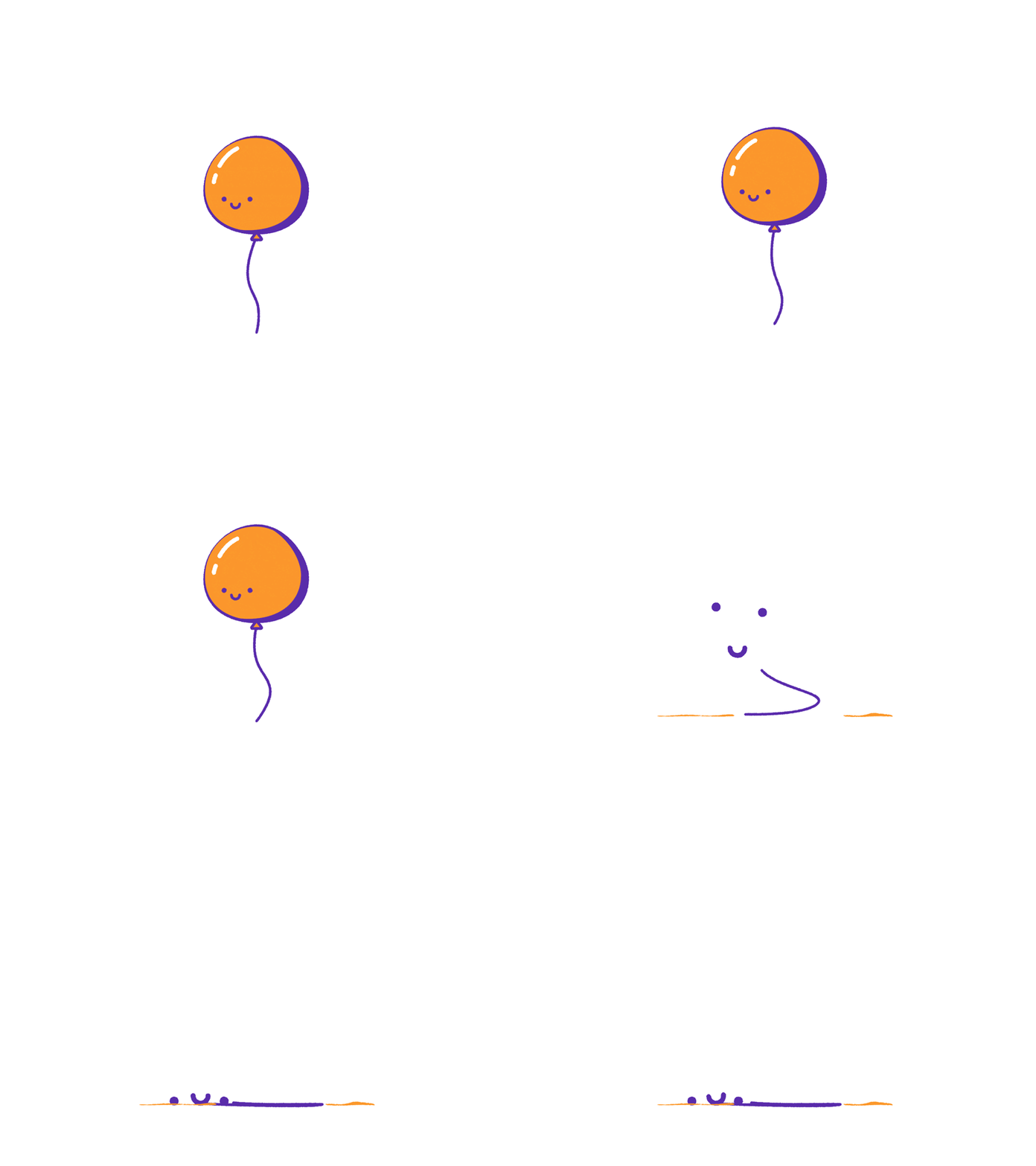
In other words, a young person with a small balloon can hold 3 units of air; if pumped with 5 units of air, it will surely pop. Meanwhile, for a mature adult, their balloon is larger and can hold 7 units of air. But if you pump 10 units of air into it, it will burst just like the small balloon of the young person.
When reaching the limit of air capacity, the surface tension of the small balloon and the large balloon is identical. Or we can understand it as:
When facing a level of pressure that exceeds one's own tolerance, whether you are a child, a middle-aged adult, or an elderly person with a lifetime of experience; you will still experience the exact same feeling of psychological tightness .
2, The younger generation today faces more pressure and at an earlier stage than previous generations
After reading the first half of this article , some (older) people might think:
"Even so, my balloon is still larger; I can still withstand 7 units of life pressure. The younger generation can only handle 3 units of pressure before complaining, getting stressed, and falling depressed. What a weak generation!"
That may hold some truth. But perhaps, before judging the younger generation, they should ask themselves two important questions:
-
When they were the same age as today's younger generation, how many units of air could their balloon hold? Did they have equal endurance to today's youth at that time?
When they were the same age as today's youth, was the social context identical to today? And were the pressures they endured back then the same as the pressures the younger generation faces today?
Below are some of my perspectives on my generation (I also belong to Gen Z).
2.1, The generation that must overcome comfort
For previous generations who grew up amidst war and national rebuilding, they grew up with poverty and hardship. Because of that, people of those generations had extraordinary vitality and a strong drive to rise above circumstances. Their motivation was to secure an adequate, comfortable life in the future.
In contrast, the younger generation inherits the fruits that previous generations struggled immensely to achieve. They are too young to fully understand the trade-offs and sacrifices of their forebears. They live in a peaceful country with an open economy where basic needs are met as a given.
Living in such an abundant environment has caused the motivation of young people to be drowned in pastimes that provide instant gratification such as scrolling through social media, binge-watching Netflix, playing video games...
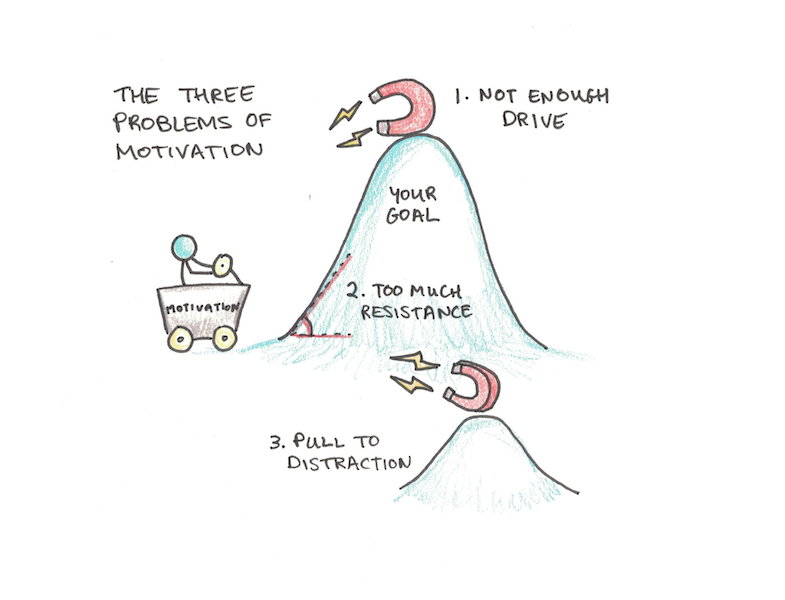
Furthermore, living in comfort has also left the younger generation less exposed to practical hardships in life. Consequently, they lack readiness when stepping into society. And naturally, when confronted with unexpected pressures dropping out of nowhere without any preparation, the younger generation is like a balloon stretched to its absolute limit.
2.2, The Internet generation
The arrival of the Internet for humanity is a wonderful thing. It has expanded our horizons with new ideas, new perspectives, and especially the boundless repository of human knowledge.
However, the rapid development of the Internet—especially the rise of social media—means that new social standards spread at lightning speed.
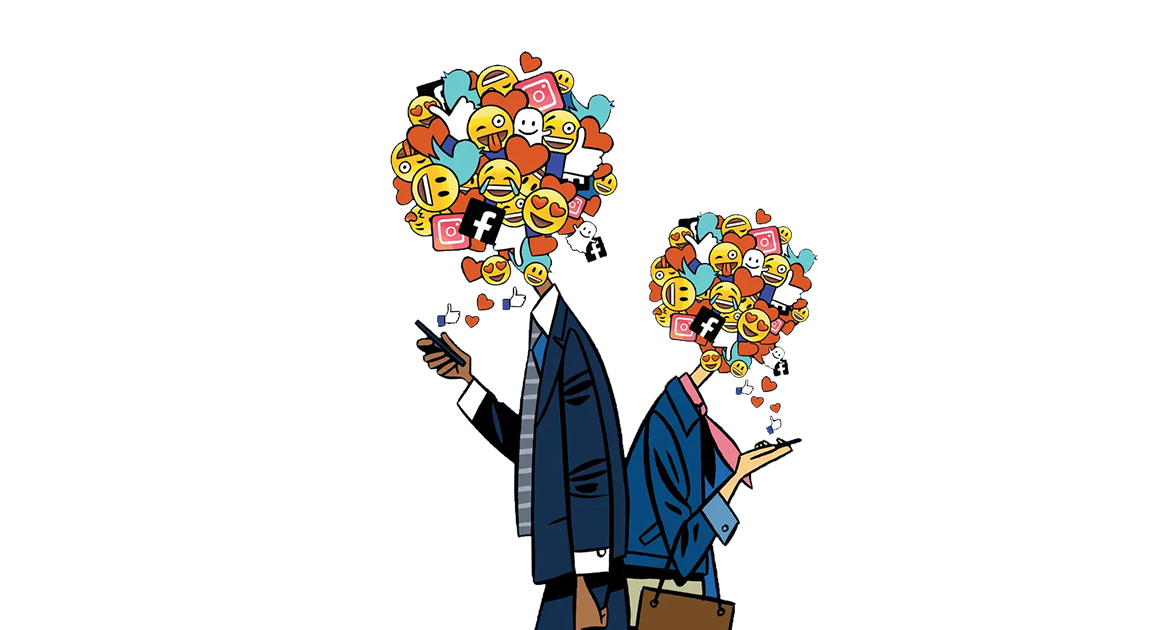
New standards of early success, true love, trending fashion styles, coolness among youth,... have created invisible peer pressure on individuals. This leads the younger generation to experience unconscious stress when torn between preserving personal identity and chasing after (somewhat unreasonable) societal norms of the majority.
2.3, The generation that values validation
For previous generations, living in scarcity made them care less about what others thought of them. Perhaps during those grueling times, the only thing that truly mattered was securing food to eat and a roof over their heads to live peacefully through the day.
For today's youth, security and warmth are things they inherited from their parents' hard work. When basic life needs are met, the younger generation begins seeking higher-level needs—and one of them is validation .
Humans are social animals. Every individual has an innate need to receive social recognition. Therefore, by instinct, the younger generation tends to express their self-worth in search of validation from family, friends, and colleagues...
However, expressing self-worth is no easy feat. Fierce competition in modern society, multi-sided expectations, and the difficulty of discovering personal identity make it very tough for young people to affirm their value. Inadvertently, this generates immense pressure on the youth—many of whom have not even graduated from school.
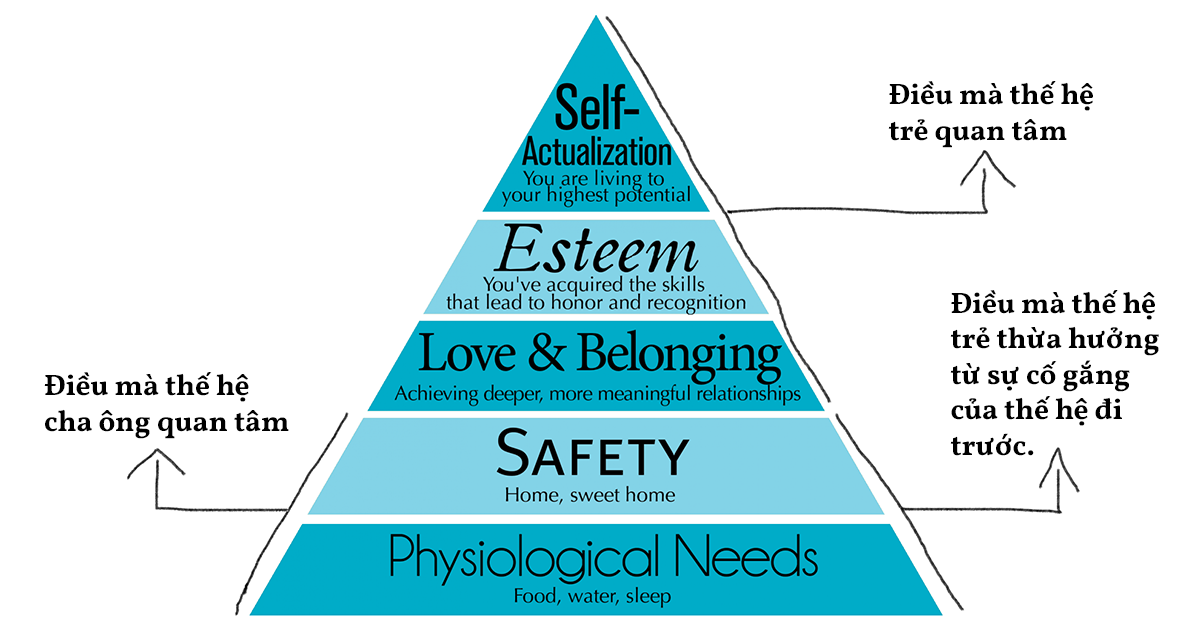
Previous generations carried the pressure of overcoming adversity to attain a peaceful life. Today's youth already have a comfortable life, yet find themselves facing a whole new set of pressures: discovering personal identity, living a meaningful life, gaining social recognition,...
Bottom lines
Although I belong to Generation Z, this article was not written to argue that the youth are not fragile at all or to complain that older generations misunderstand young people.
This article was written so that we have a "bridge" between the younger generation and previous generations.
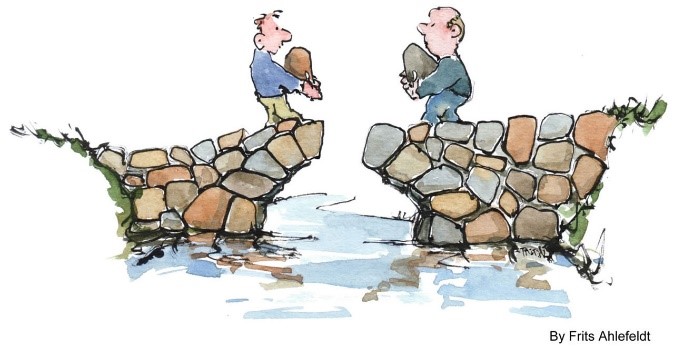
For older generations, I hope this article offers a fresh perspective on the younger generation. So they recognize that today's context has changed drastically compared to when they were once the youth . And so they understand that young people also have their own pressures, hardships, and reflections in a new era.
And for fellow Gen Zers, I hope this article helps us better understand ourselves and the pressures we face. To love ourselves more, minimize comparing ourselves to others, and most importantly:
Experience as much as possible, learn as much as possible, boldly take on challenges to train and expand our own capacity to handle pressure!
Thank you for reading my article!
Kim,